
National Climate Risk Assessment highlights local government’s role in climate action
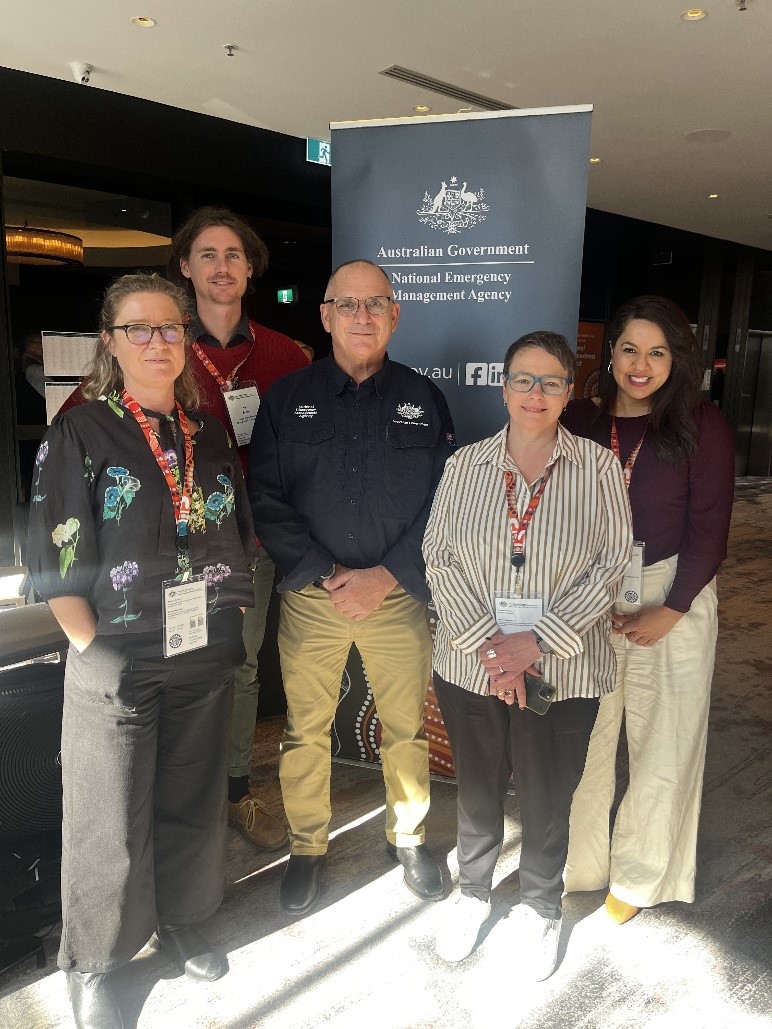
Last week, LGAT Senior Policy Advisor Tim Boyle attended the third annual Higher Risk Weather Season (HRWS) National Preparedness Summit, joining more than 260 crisis management, response, and recovery specialists from across government, industry, and the not-for-profit sector. Convened by the National Emergency Management Agency, the summit focused on preparing for the 2025–26 HRWS and strengthening Australia’s emergency management capabilities.
Coinciding with the Summit was the release of the Australian Government’s Emissions Reductions Targets for 2035, which charts Australia’s plan to Net-Zero. The National Climate Risk Assessment (NCRA) and the National Adaptation Plan (NAP) were also released, which together present a sobering yet essential picture of how climate change is affecting Australia’s health systems, infrastructure, regional communities, and natural environment.
These reports build on Tasmania’s Climate Change Risk Assessment released in 2024, and highlight the urgent need for local adaptation action and place-based solutions to build resilience in Tasmania and across the country. We have prepared a summary of key findings from the NCRA for Tasmanian councils to help elected members and staff take practical steps to build resilience locally (Member Portal login required).
As we heard at our Climate Change Forum earlier this year, climate change is a global issue, but we can act locally to make change. Local governments are already playing a central role in preparing communities for the impacts of climate change. According to the Australian Local Government Association (ALGA), councils are currently delivering more than $400 million annually in climate adaptation projects and are expected to invest around $2 billion over the next five years.
We have seen councils implementing a range of resilience-building initiatives in Tasmania, including expanding active transport networks, upgrading stormwater infrastructure and delivering bushfire education programs, such as Sparking Conversations, Igniting Action. These efforts demonstrate the leadership and commitment of local governments in future-proofing their communities.
However, climate-resilient infrastructure is complex and costly to deliver. Sustainable, long-term funding from the Federal Government is essential to support councils in implementing effective adaptation strategies. Programs like the $100 million Community Energy Upgrades Fund are a positive step, but ALGA is continuing the call for a new $400 million per year climate adaptation fund to be distributed across all councils. This will enable tailored, local responses to climate risks.
The Summit reinforced the importance of collaboration across all levels of government and sectors. As the impacts of climate change intensify, empowering local governments with the necessary resources and support will be crucial to protecting communities.