Community-led change in focus at local government sustainable development event
Last week, Cormac Russell inspired local government representatives and council staff to reimagine their role in community development. By adopting community-centred practices, councils can empower residents as co-creators of change, fostering deeper ownership and more sustainable outcomes.
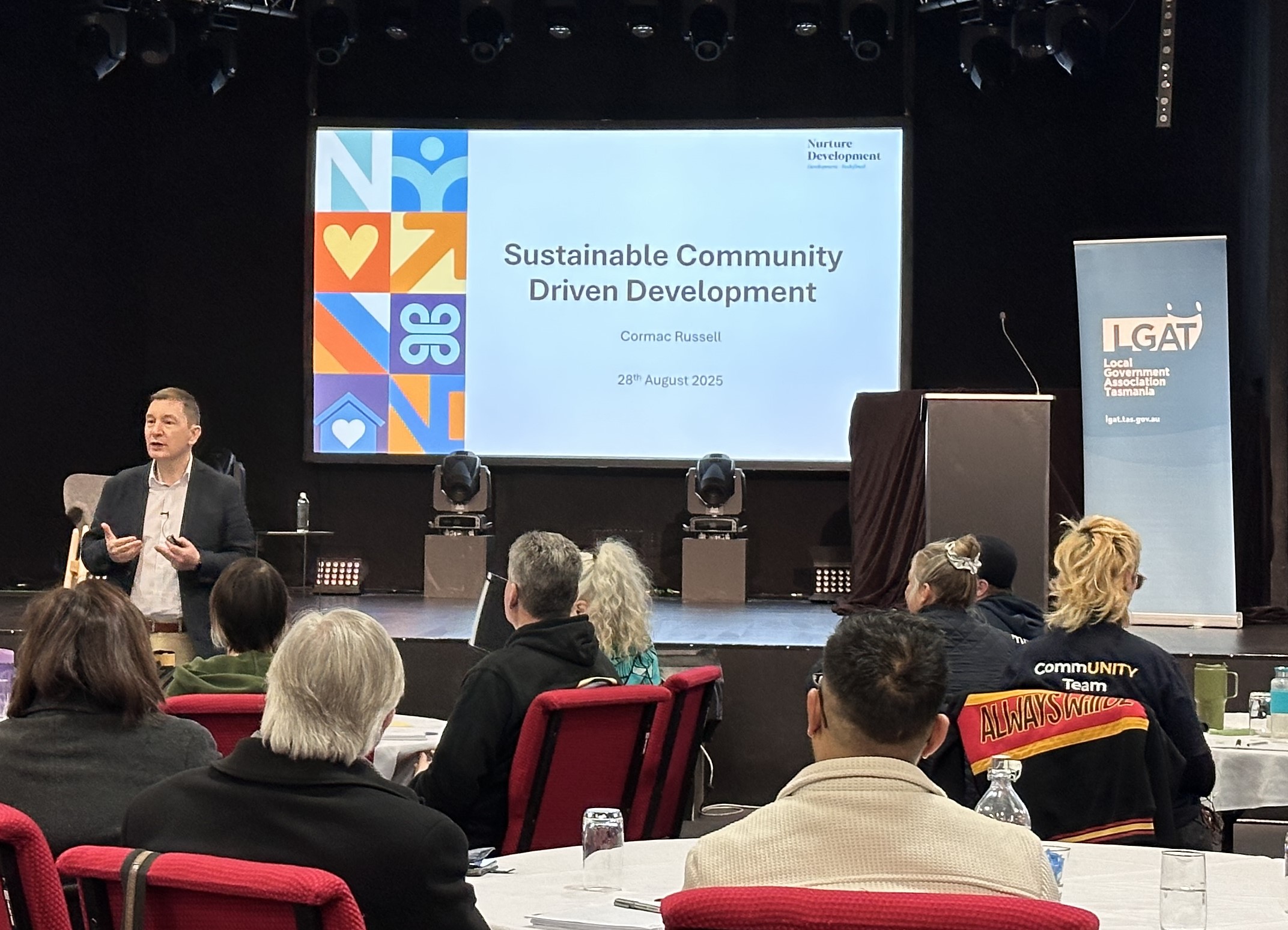
Cormac is the Founding Director of Nurture Development and a member of the Asset Based Community Development Institute at DePaul University in Chicago. Over the past 25 years, his work has made a lasting impact across 35 countries. He has trained community organisations, NGOs, and governments in community-based approaches throughout Africa, Asia, Australia/Oceania, Europe, and North America.
We started the day by exploring the neighbourhood as a powerful unit of transformation. Attendees were introduced to the Asset-Based Community Development (ABCD) approach, which focuses on building upon local strengths rather than addressing deficits. Cormac outlined five guiding principles for community-centred practice, encouraging councils to listen deeply, support resident-led initiatives, and create conditions for genuine ownership and belonging.
The event also provided an opportunity to learn from one another through mini masterclasses in the afternoon, which built on the insights from the morning session. The City of Launceston outlined how it has undertaken asset mapping within communities, aligning itself with local Neighbourhood Houses. Attendees worked together to create an asset map that outlines the institutions, assets and social networks that exist in their own communities.
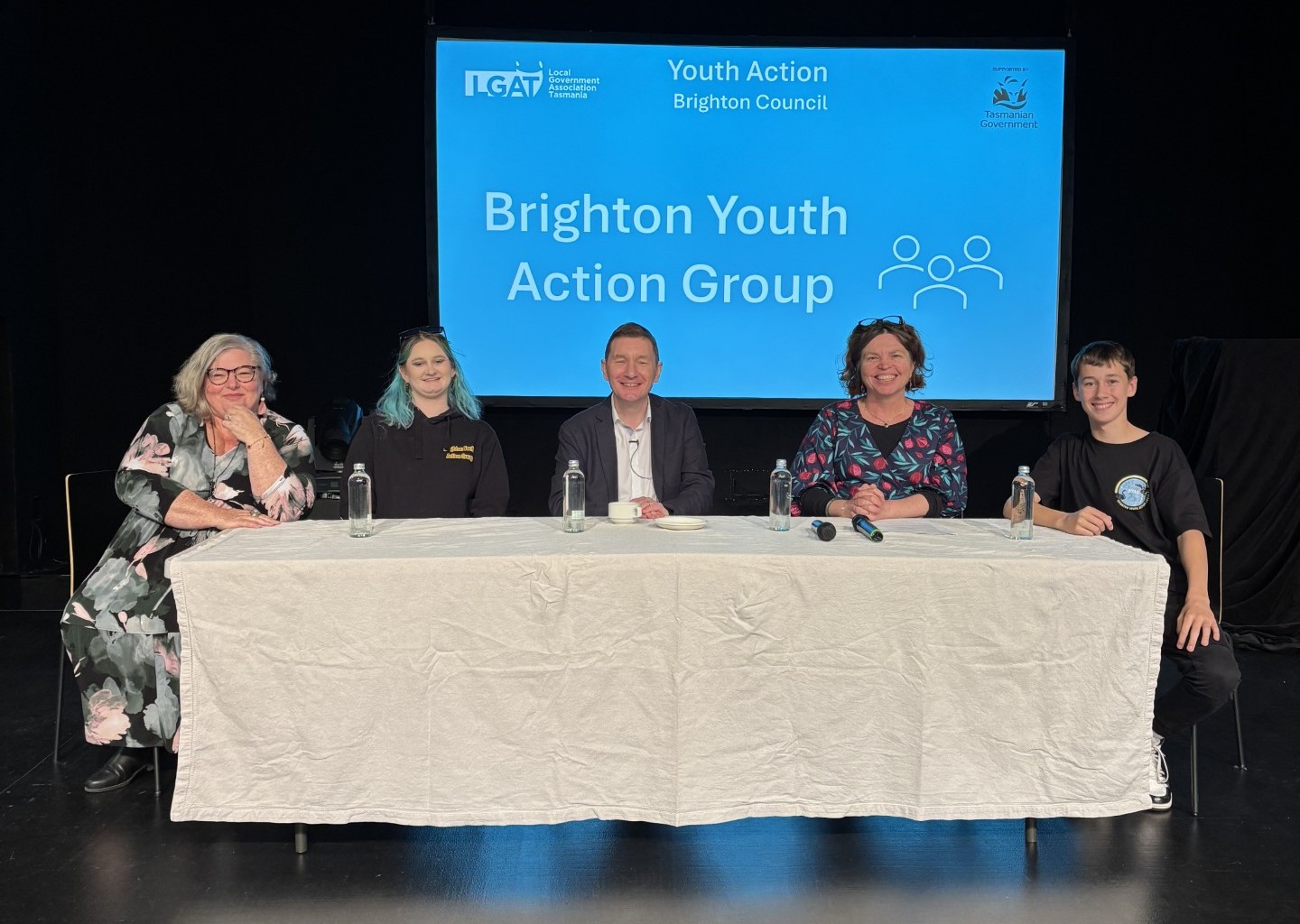
The Brighton Youth Action Group (BYAG) showcased their approach to supporting youth-led decision-making, where young people shape initiatives for their peers and the wider community. The examples provided by Xavier and Anne, as members of BYAG, demonstrated the effectiveness of the ABCD approach, which begins by working with community members rather than making decisions on their behalf. BYAG demonstrates this principle by assisting young citizens to identify the strengths across their community and then assists them to facilitate actions that they identify as important. BYAG supports young citizens to identify local strengths and facilitates actions they deem essential, with the council providing funding and staff support in a resource role—not as decision-makers. This model inspired council officers from another municipality to rethink their approach to a planned youth program, choosing to involve young people from the outset through to implementation.
Huon Valley Council shared how its Liveability Team is redefining the way councils and communities collaborate by using a Liveability Framework. At the heart of the Framework is a commitment to placing community vision and voices at the centre of decision-making. By combining data-driven insights with a collaborative process, Huon Valley is crafting tailored solutions that reflect the unique needs and aspirations of every part of their community. In addition, the council is providing support to events and activities led by community associations by offering free access to halls and insurance coverage.
It was a privilege to provide Tasmanian councils with the opportunity to engage with an international expert on a community-led approach to development. We hope attendees left with a renewed sense of purpose and practical tools to strengthen local leadership and community connection. One council will already put these insights into action by applying the ABCD approach in the development of a new youth centre, an exciting example of how these ideas can translate into tangible benefits for communities.
Resources from this workshop are available on our Member Portal.