

Climate resilience can’t be left to councils alone
Tasmania is known for its remarkable natural environment and strong, close-knit communities. But those strengths cannot be taken for granted. Climate change is no longer a distant risk; it is a present challenge that requires serious leadership, practical action and investment.
Tasmanian councils are on the climate change front line. They protect local infrastructure, support community wellbeing and, when disaster strikes, they are left to help residents rebuild and recover long after other levels of government have moved on.
The impacts of climate change are already being felt across Tasmania. Natural disasters are becoming more frequent, severe and costly, and a strong El Niño event is bringing hotter, drier conditions for this summer.
Parliament has already acknowledged that business-as-usual will not keep Tasmanians safe, citing increased bushfire risk and the absence of a statewide adaptation plan. The Tasmanian Policy Exchange has also drawn a clear line between rising insurance costs and increasing climate risks.
Yet the State Government’s response has fallen short. A recent review of Tasmania’s climate change legislation made seven recommendations to strengthen governance, engagement and action. The Government has chosen to implement only two.
The consequences of delay are not abstract. Climate change will damage homes, roads and infrastructure, impact the economy and harm people’s health. Communities need more than recognition of the problem; they need practical support to prepare, adapt and recover.
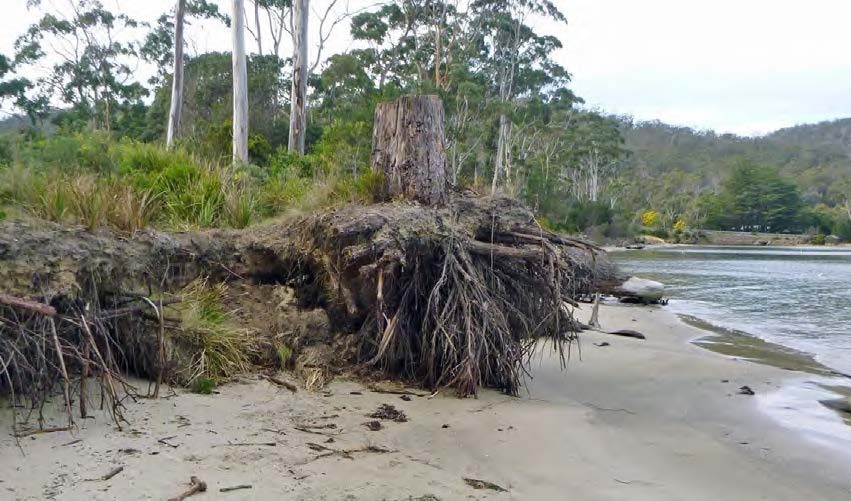
At the same time, the Government has formalised climate change as part of councils’ responsibilities through recent changes to local government's role, while failing to match that responsibility with the resources required to deliver. That is not genuine reform. It risks shifting the political and financial burden onto local communities.
Councils are already doing important work: engaging coastal communities on sea-level rise, planning better stormwater systems, and making decisions about roads, suburbs and community facilities that will shape Tasmania’s resilience for decades.
This work is significant, but it is not cost-free. Councils cannot absorb an expanding climate mandate without support.
Climate resilience cannot be left to councils alone. If the State Government is serious about protecting Tasmanians, it must move beyond partial responses and unfunded expectations.
Local government stands ready to partner, but partnership requires clear direction, sustained funding and shared responsibility, so every community has the support it needs to face a changing climate safely and confidently.